I found my phone number online: The immediate steps to take
The only way to put a stop to the latest AI phishing and voice-cloning scams, for your sake and everyone else’s, is to make sure your family and friends are in the know and to put an automated tool to work on scrubbing your records.
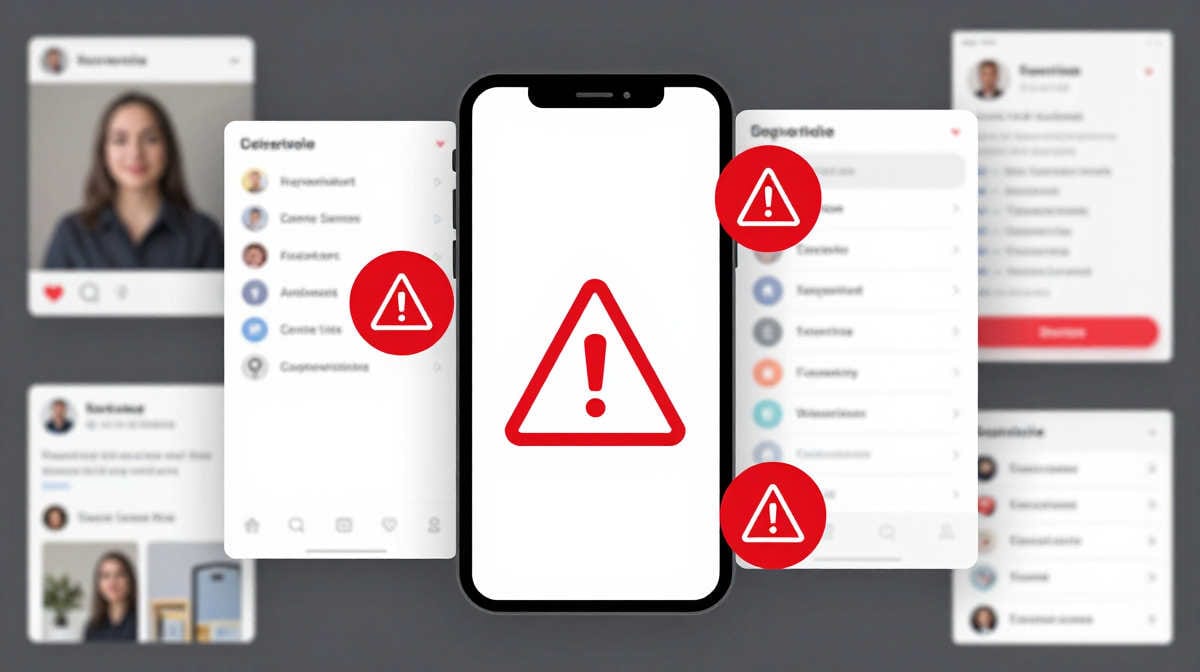
1) Brace for extremely convincing AI phishing and warn your family
In a mobile-first world, you can use your phone number for convenience everywhere - it also means it is getting more exposed than ever. Finding your phone number online is surprisingly common.
The moment your number becomes public, cybercriminals use automated scripts to target you with highly convincing, localized scam texts.
With the IA boom in 2026, it got much worse. Globally, AI-driven phishing click-through rates (meaning how often the deceit initially worked) have spiked by more than half, meaning you will likely receive urgent messages pretending to be your local bank or regional postal service.
The elevated dangers in the age of AI
The explosive mix is the sheer amount of publicly shared data on social media like who are connected friends, family or coworkers, how do they and you look - and if you share video materiel anywhere that features you talking - how you speak.
Based on that data it is incredibly easy for anyone to know who to target, fake photos of you and even clone your voice to make calls.
You must alert your relatives and friends
Depending on the scam, between 35% and 55% of victims stay quiet and never tell anyone, because of shame.
What they do not understand that they fell victim to a highly organized, specialized crime that perfected scamming of people. All the knowledge available is making it easy to fall for it.
What you can do is to prevent it happening to them.
You must immediately warn your relatives and close friends that your number is exposed, ideally establishing a private "safe word" to verify your identity in case the conversation that is supposed to be with you feels off.
This awareness is especially critical for anyone who is not too versed with technology and its possibilities.
2) Under no circumstances pay the extortion sites or directories any kind of removal fee or membership
Many search directories will display your phone number for free and demand a "processing fee" or "premium membership" to take it down.
This is a trap exploiting your situation but specifically designed to make your situation worse.
These sites bought large amounts of data that until then is unverified. Paying these sites simply marks your phone number as an active, profitable target, which they will then sell to secondary shadow brokers across different jurisdictions. This time your phone number is verified and worth more - in a sadly ironic way you would have paid to make reselling your data worth more.
The worse part is that whatever you provided during that sale is now also in the hands of the same people: Your payment information, billing address or even a photo of your national ID card. If you had to call them, they can now even clone your voice.
3) What you can do to for automated cross border removal and better security
You cannot fight up the hill by manually requesting removal of your data from hundreds of data bases globally, most certainly you don't want to pay hundreds of them even a fee to do so.
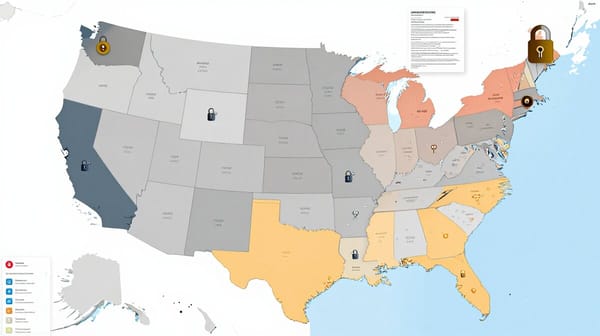
Data brokers would also legally re-ingest your details using decentralized networks to bypass local privacy laws.
Let professionals erase more than just your phone number regularly
To successfully cut off the scammers' supply chain and legally force these companies to delete your profile worldwide, you need an automated, cross-border removal tool.
Read our guide how to let the professionals erase your historical footprint for good:
 BOP Authors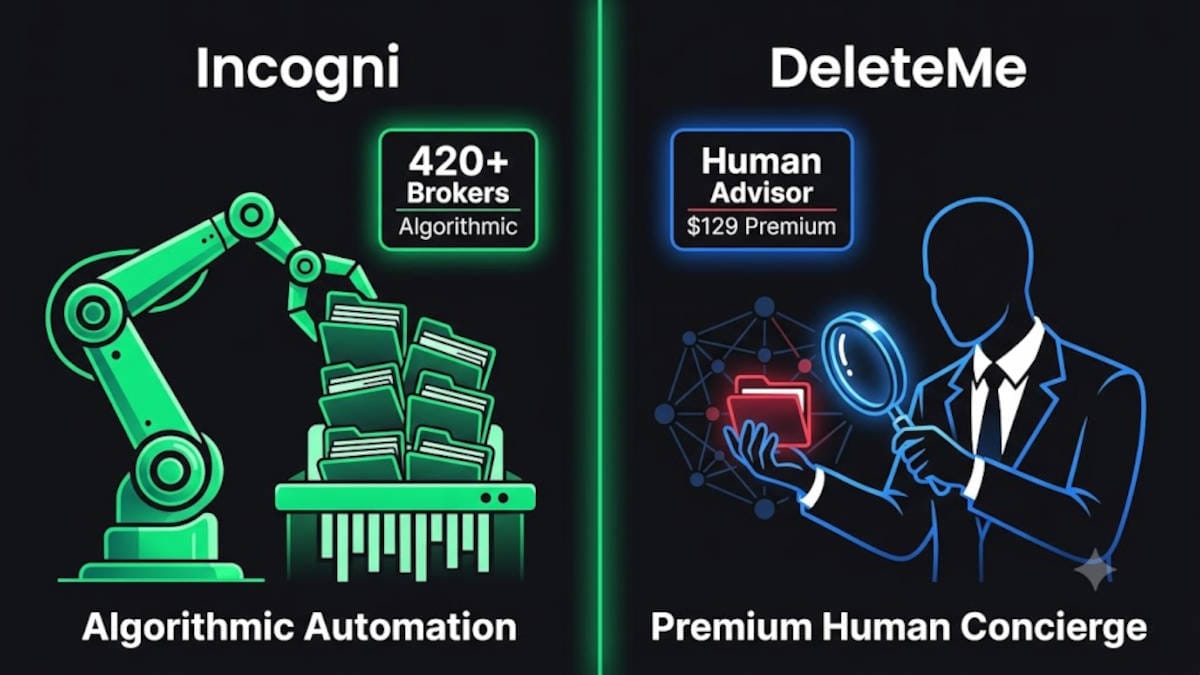
Secure your passwords with an additional authentication
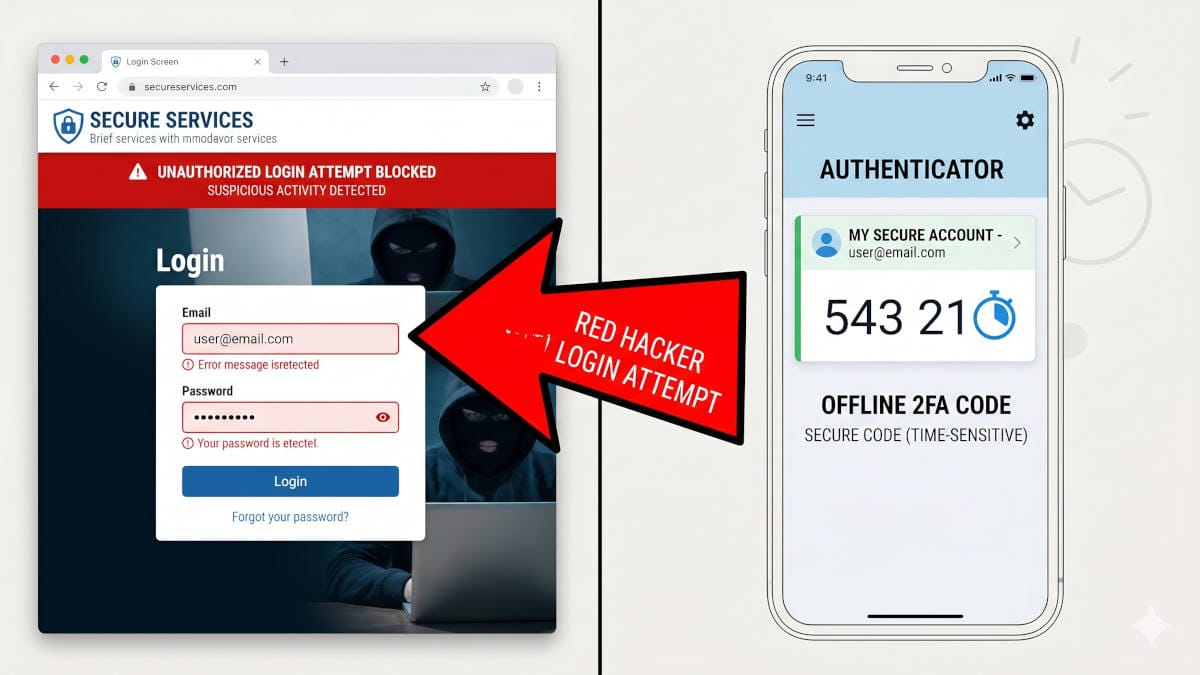
A common way to protect your accounts these days is to use Two-Factor Authentication (2FA), meaning if you log in on a new device, an additional code will be sent to your phone number that you can use to verify it's you.
When your phone number gets leaked, this is not secure anymore because it is shockingly easy to attack this using SIM-swapping or SMS phishing.
A better alternative are Authenticator apps which are absolutely free and many also survive changing your phone:
 BOP Authors