Data Brokers Under Fire: New Brief Reveals Regulatory Chaos
The data broker industry faces unprecedented scrutiny, but confusion reigns over who qualifies as a 'data broker' and what risks they pose. This lack of clarity complicates efforts to regulate them effectively.

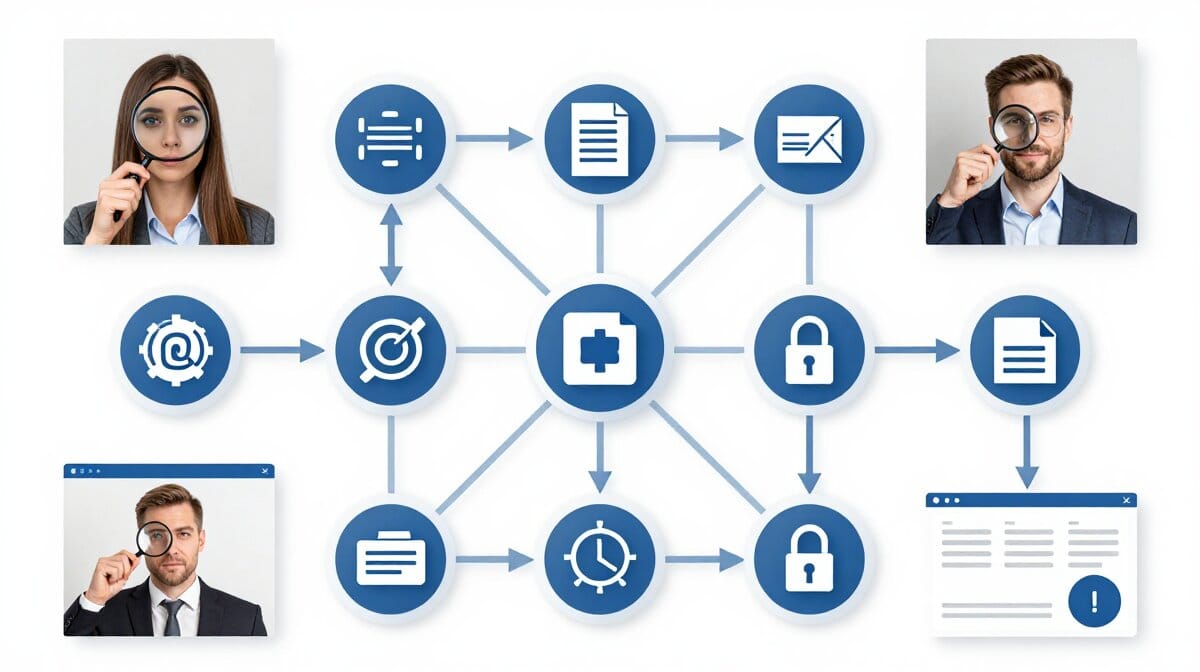
Data brokers have become a focal point for regulatory bodies and the public alike due to their extensive collection and sale of personal data. However, defining exactly who falls under this category remains ambiguous, leading to inconsistent oversight.
The industry's complexity arises from its vast network of companies that collect, aggregate, and sell consumer information. This ambiguity makes it difficult to establish clear regulatory frameworks and enforce them effectively. The lack of consensus also hinders public understanding and trust in how their data is being used.
How can I protect my personal information from data brokers?
To safeguard your personal information, opt-out of as many data broker services as possible. Use paid services that find and contact major data brokers for you and file removal requests for your data.
What automated steps can I take to prevent my data from being sold?
Consider using privacy-focused browsers or extensions that block trackers and limit the amount of data collected about you online. Regularly check your credit reports for signs of unauthorized activity as well.
Further details at the source