Executive Order Sparks Chaos: States Struggle with Voter Citizenship Lists
An executive order has directed DHS to create citizenship lists for voter review, but the agency has yet to comply and faces legal challenges. This delay and uncertainty are causing significant anxiety among states and privacy advocates.

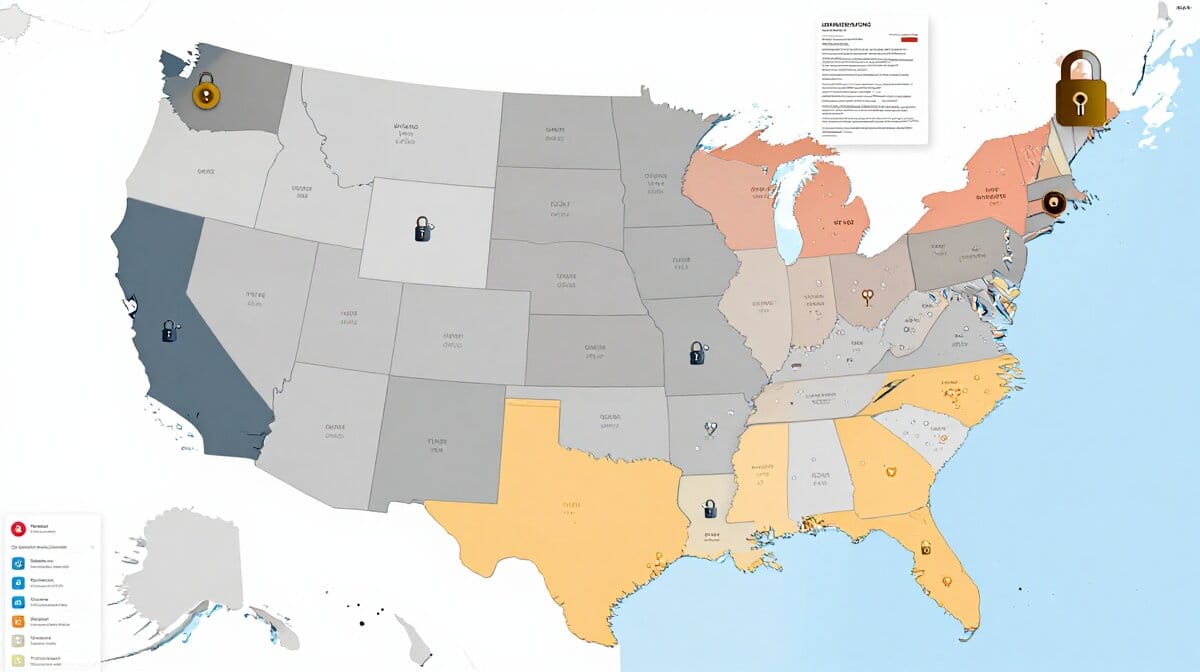
The recent executive order mandates that the Department of Homeland Security (DHS) produce a mechanism for states to review 'citizenship lists' of potential voters, but DHS has not yet provided these lists.
This directive is part of broader efforts to address voter eligibility and prevent fraud. However, the lack of action from DHS and legal challenges by privacy groups like the Electronic Privacy Information Center (EPIC) have created confusion and delays.
The EPIC lawsuit aims to block DHS from compiling and distributing these lists, citing privacy concerns and potential misuse of personal data.
How can states protect voter information while complying with the executive order?
States should implement strict data protection measures and consult legal experts to ensure compliance with both the executive order and privacy laws.
This includes using encrypted storage solutions and limiting access to authorized personnel only.
What steps can individuals take to safeguard their personal information from potential misuse?
Individuals should monitor their credit reports regularly, place fraud alerts, and consider a credit freeze.
Additionally, they should be cautious about sharing personal details online and report any suspicious activity to relevant authorities.
Further details at the source