How to check if your personal data was leaked in a data breach and is sold on the Darknet
The easiest way to check whether your email, phone number, passwords, or even medical records have been publicly exposed in a breach is to use a secure, encrypted checker like HaveIBeenPwned.
This website gathers data on all known data breaches and leaks and lets you check for free by entering your email address to see whether your connected data is compromised.
It surely feels counterintuitive to provide your email address to check whether it has been leaked; rest assured, these services do not store or leak your email address.
How it affects you, even if you think your data is "boring"
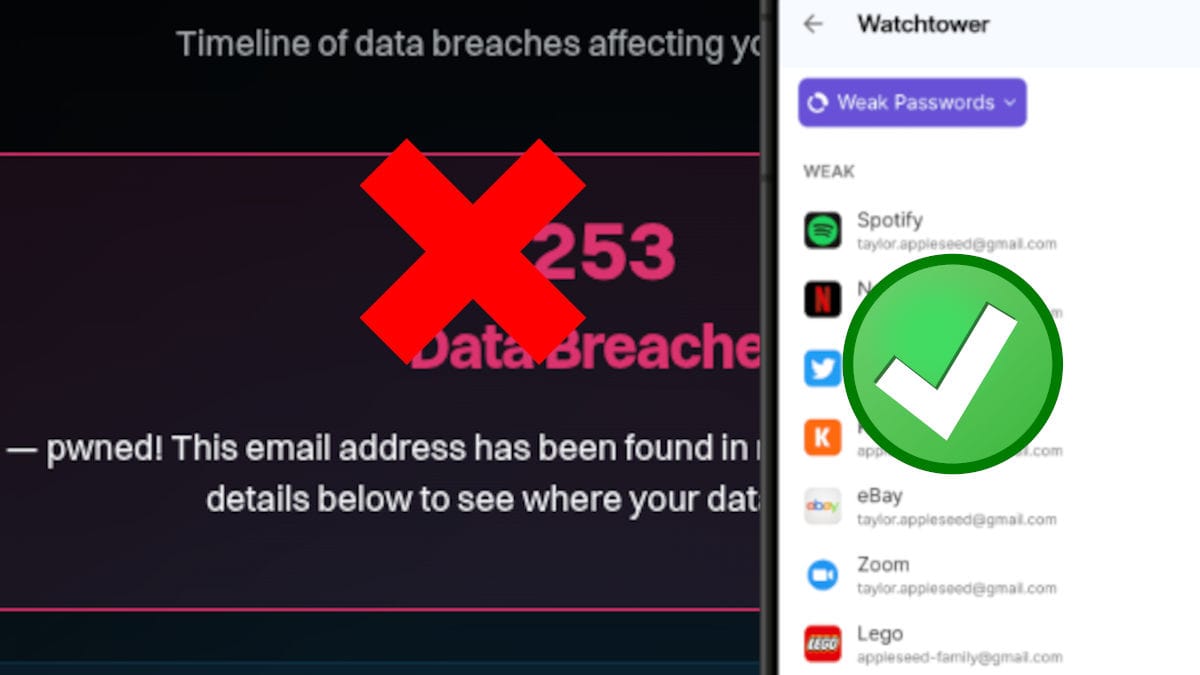
In the first three months of 2026 alone, there were hundreds of major data breaches. They leaked billions of records, including addresses, phone numbers, and even private health data.
When your information is leaked in one of these massive dumps, scammers immediately use it to target your bank accounts and send you highly personalized AI-generated phishing texts.
Based on the leaks, these texts are so convincing that it is not a shame to fall for them, and it can cost you your life savings and public reputation.
If you do not actively monitor your exposure, you are leaving your digital front door wide open to identity theft.
Your data is likely leaked
I'm writing this because I found out that my data was leaked as well, even though I didn't "give" any of it out myself.
My questions were:
- How can I find out if my data was leaked?
- What data was leaked?
- How can I stop this?
- How can I remove the leaked data?
How to find out if your data was leaked and what data it is
Identifying your exposed accounts takes less than five minutes and requires zero technical skill:
- Check against all known leaks: Go to the official HaveIBeenPwned website.
- Search for your Emails: Type your email addresses into the search bar, then click "Check"
- Review the damage: Scroll down to see the exact list of companies that lost your data, along with the specific information (such as passwords or physical addresses) that was stolen.
- Change compromised logins: Immediately go to the compromised websites, log in, and change your password to a strong, unguessable phrase.
The best remedy against password hacking is a password manager
Secure your accounts with unguessable passwords, while a secure app takes care of remembering them and automatically allows you to access them from any device.
There are some main providers who have proved to be rock stable and just do their job without any friction.
We compared them in this article and are also using one of them:
 BOP Authors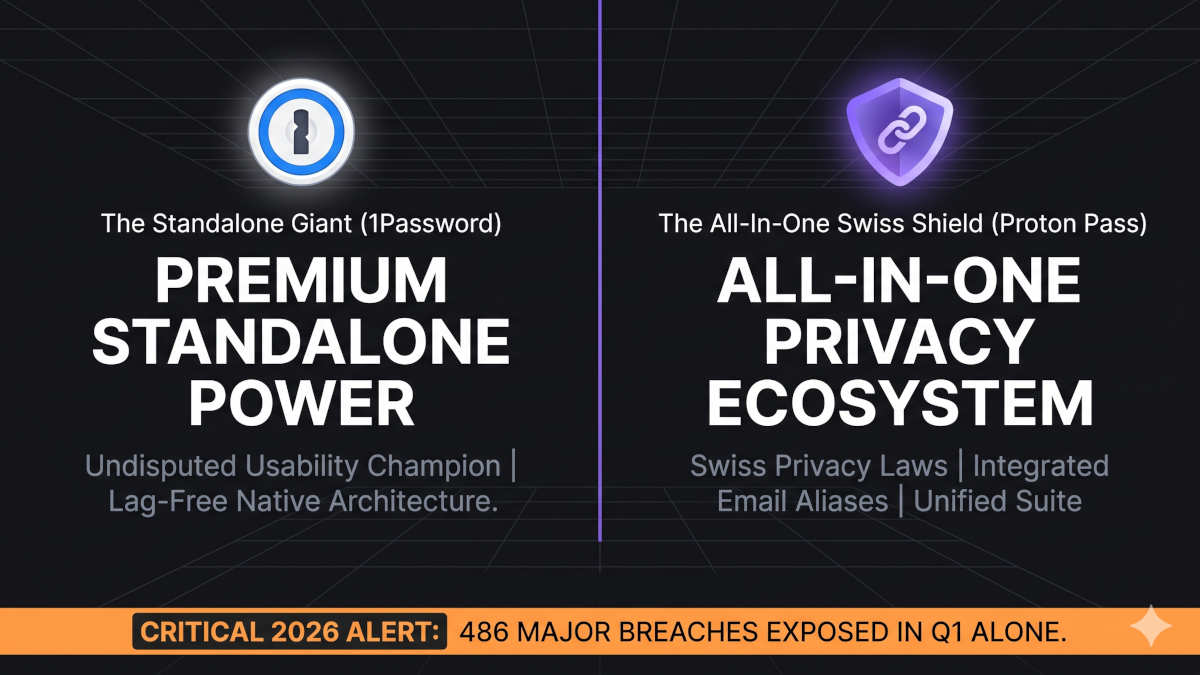
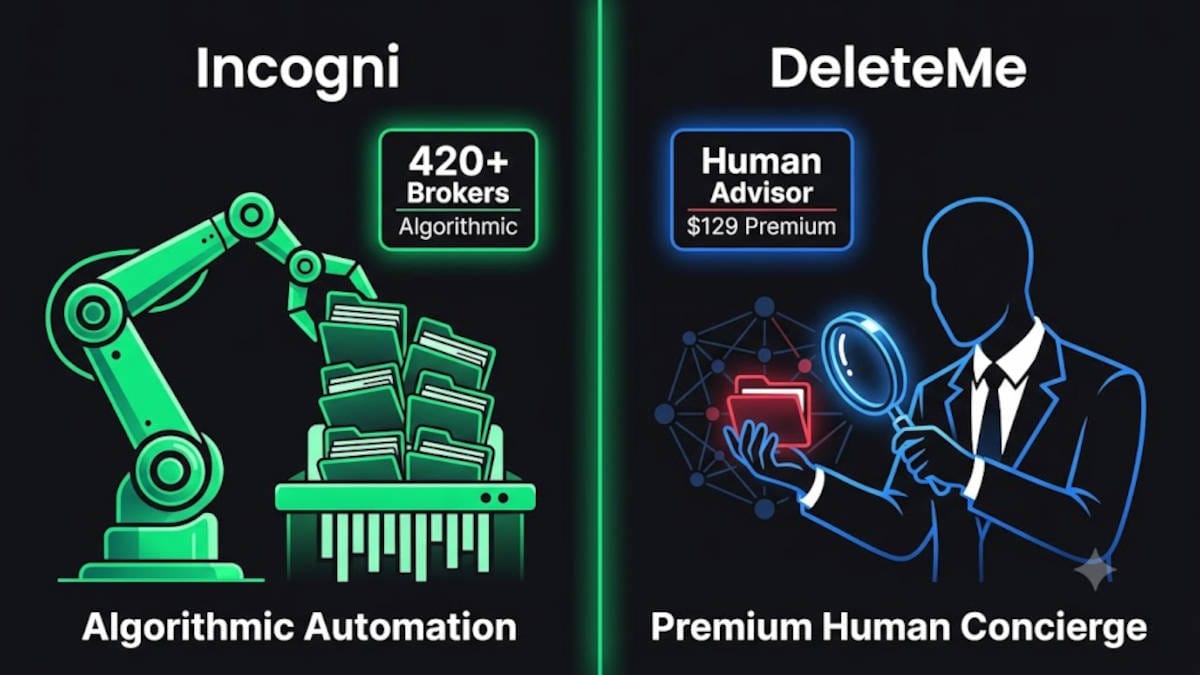
Automatically delete harvested and leaked data about you
To stop malicious hackers from weaponizing your family's home addresses, cellular numbers, and leaked identities for hyper-targeted scams, you need to wipe your footprint from shadow networks.
Read our guide on automating data removal to discover how professional removal services automatically delete your data from hundreds of databases:
 BOP Authors